
People places & ideas
This page is a collection of the people, places, and ideas that have shaped how we think about design, surf culture, food, and hospitality at UNU Boutique Hotel in Ahangama, Sri Lanka.
It’s not a mood board — it’s a record of real references that continue to influence how we build, host, and welcome guests. Some we’ve admired from afar, but most we’ve been lucky enough to experience first-hand.
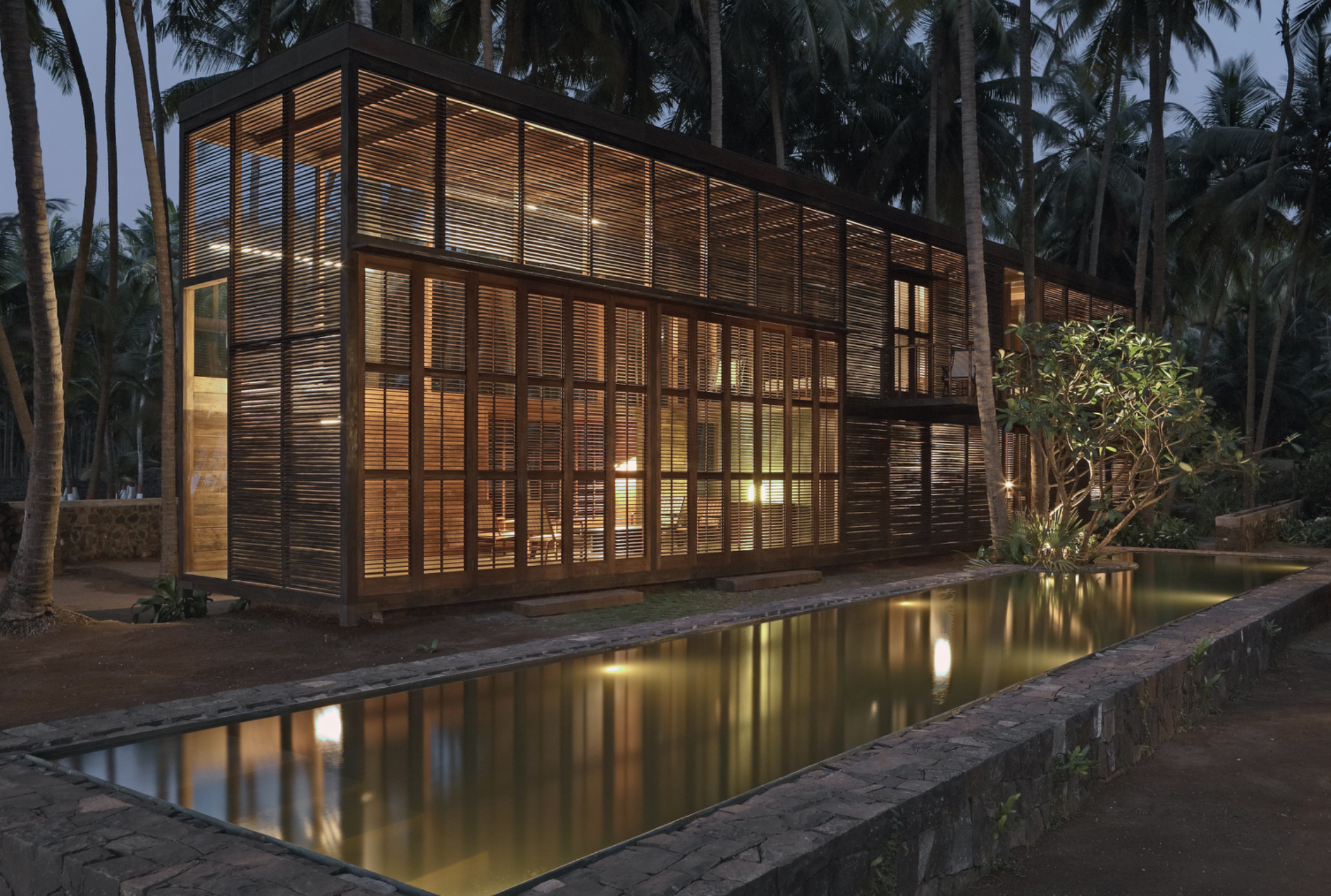
When we first began imagining UNU, we kept returning to Studio Mumbai’s Palmyra House. Not to copy it — but to understand its calm. The restraint, the tactility, the way materials are allowed to speak quietly. That sense of grounded elegance became a kind of north star for us as we built on top of an existing hotel, letting history remain present rather than erased.
🔗 Architectural Digest — Palmyra House by Studio Mumbai (Indian Architecture & Craft)
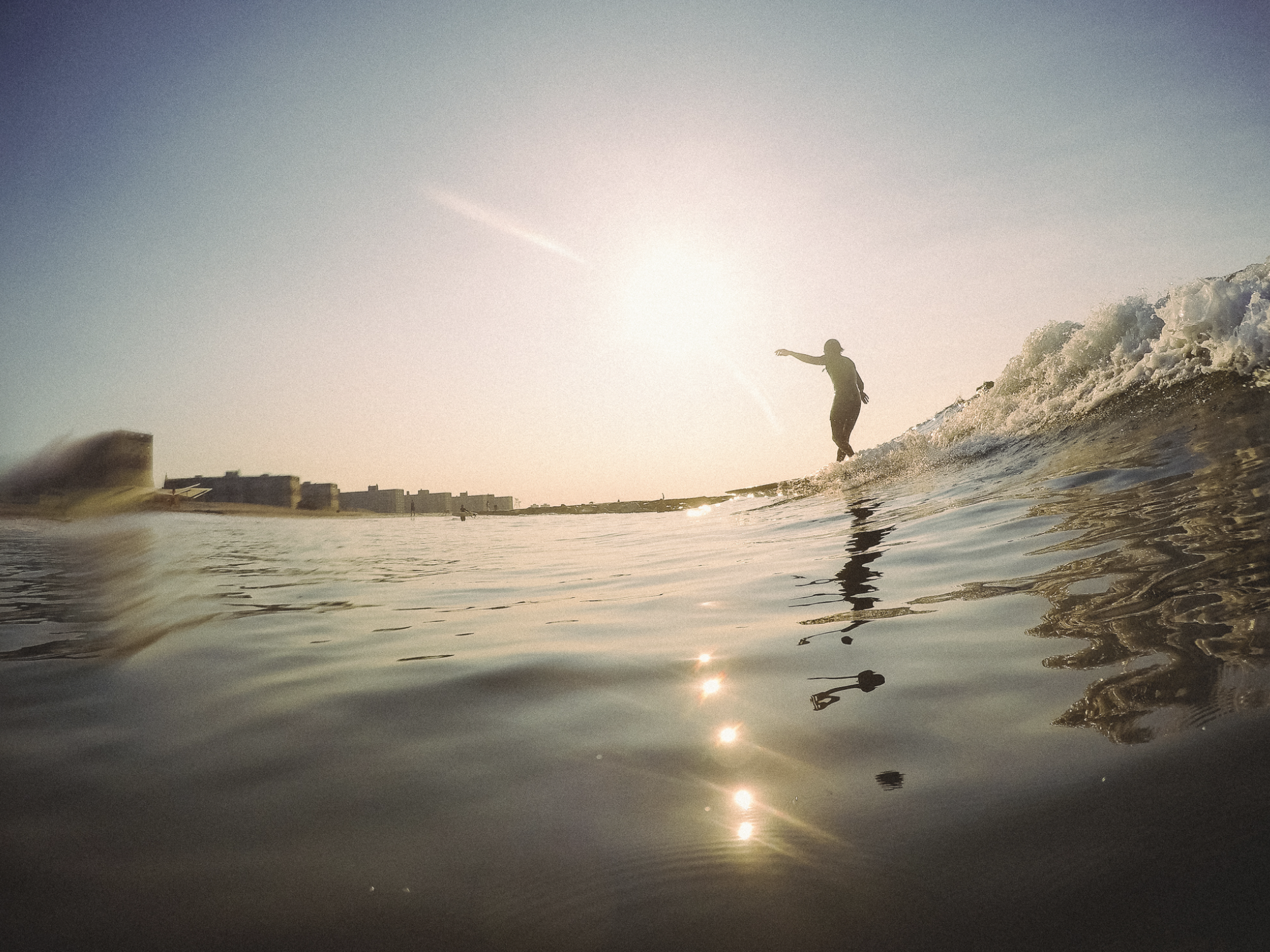
Rockaway Beach. Surfing at the edge of New York is weird. And it taught us that surfing isn’t elite — it’s communal. Rough, creative, and weathered, Rockaway’s surf culture is lived, shared, and shaped by a diverse community where belonging matters more than image. We like to think that we carry a little of that spirit in our walls.
🔗 The Guardian — How Rockaway Beach Became a Hub for Black Surf Culture in New York
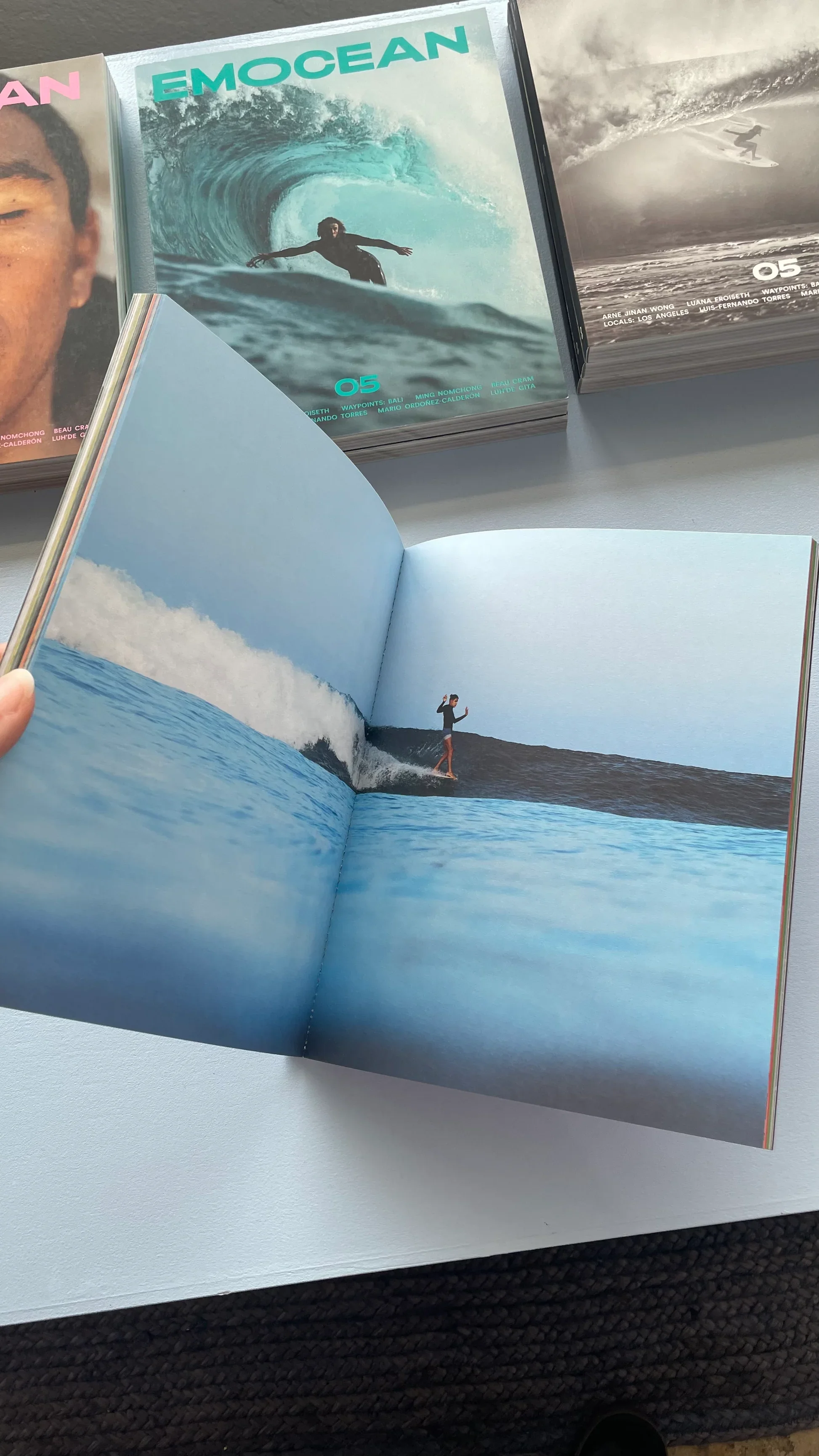
Emocean represents a thoughtful, inclusive surf culture — focused on people, place, and ocean connection rather than hype or performance. Its perspective continues to resonate with us, articulating much of what we believe surfing — and hospitality — should be about.
🔗 Emocean — Inclusive Surf Culture, Community & Ocean Ethics
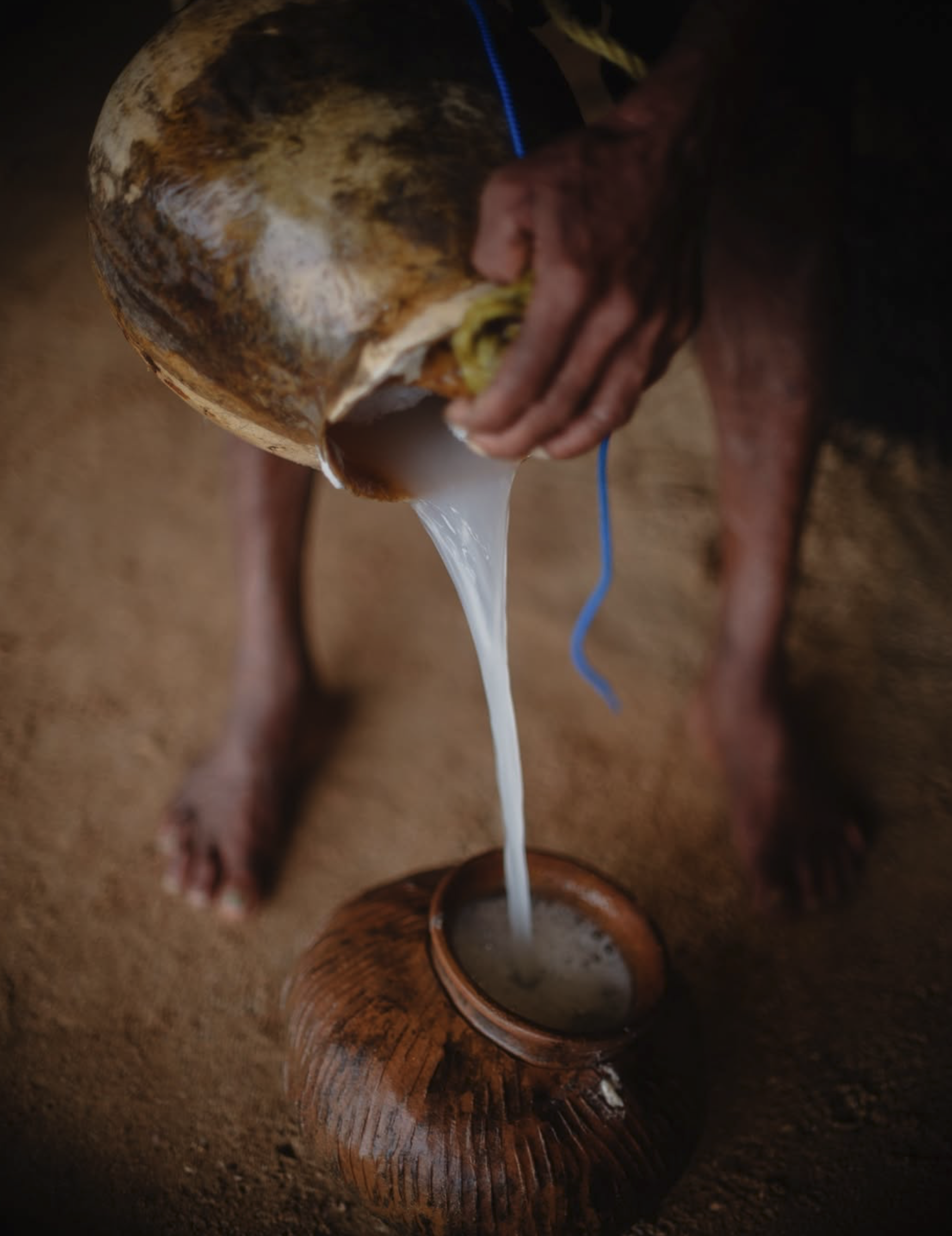
We love what a places like Raa is doing. Showing how Sri Lankan foods and drinks can feel both grounded and contemporary. Respect for local ingredients, tradition without nostalgia, atmosphere without performance. Food that knows where it comes from — and where it’s going. It sets a higher bar and keeps us all pushing.
🔗 Raa Hiriketiya — Contemporary Sri Lankan Dining by the Sea
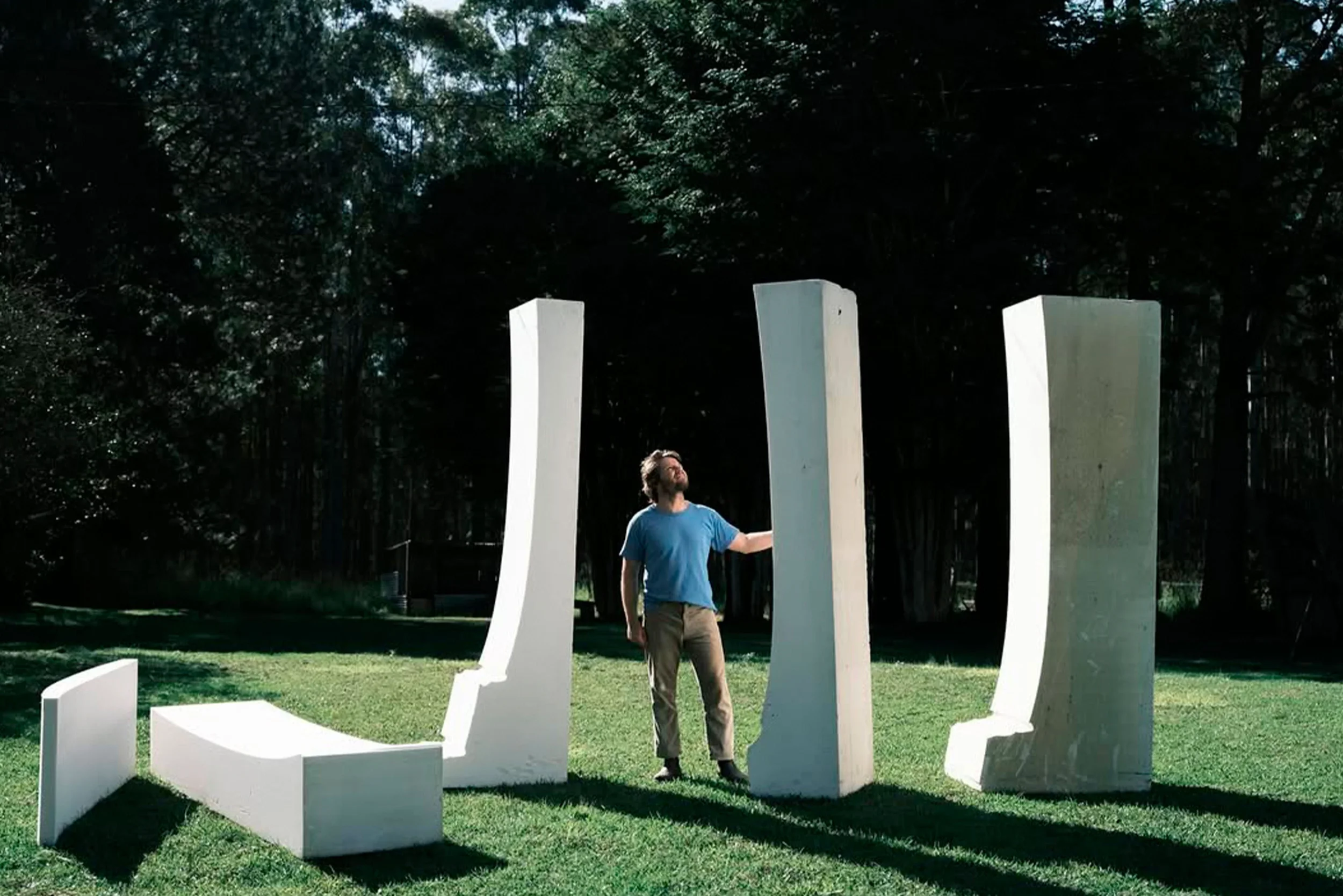
Ellis Ericson. The shaper who makes the boards we wish we had — and hope to see more of in Sri Lanka. Thoughtful craft, deep curiosity, and a willingness to move beyond the thruster without nostalgia or ego. Surfboards that feel considered, alive, and slightly rebellious in the best way.
🔗 Ellis Ericson Surfboards — Alternative Surfboard Design & Craft
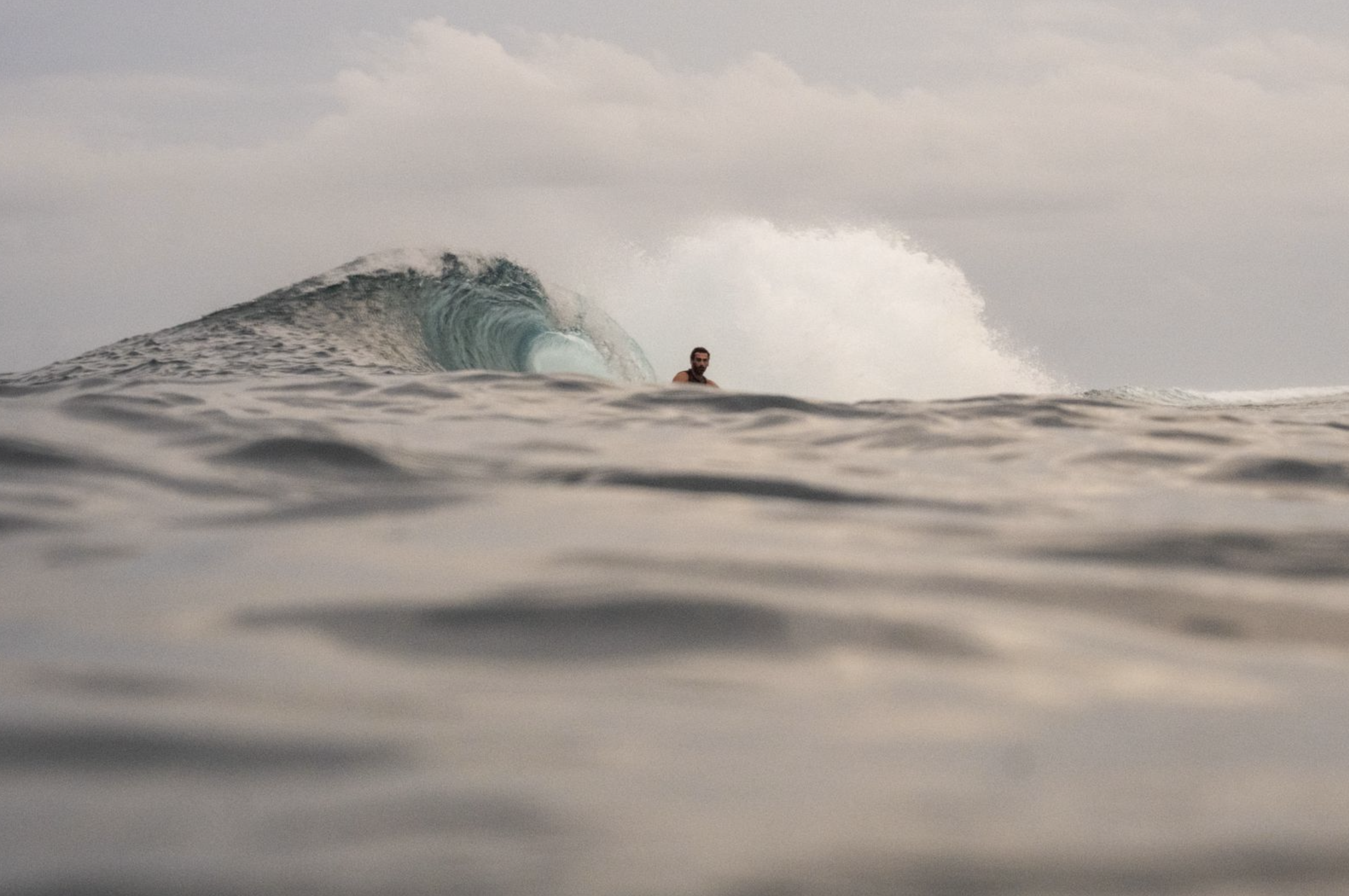
Staying at Botik Resort reminded us that hospitality doesn’t need excess to feel generous. Kind people, modest structures, and an unforced connection to nature left a deep mark. There’s a sincerity to the place — and to the people behind it — that we love. Plus, anyone who genuinely cares about surf is already speaking our language.
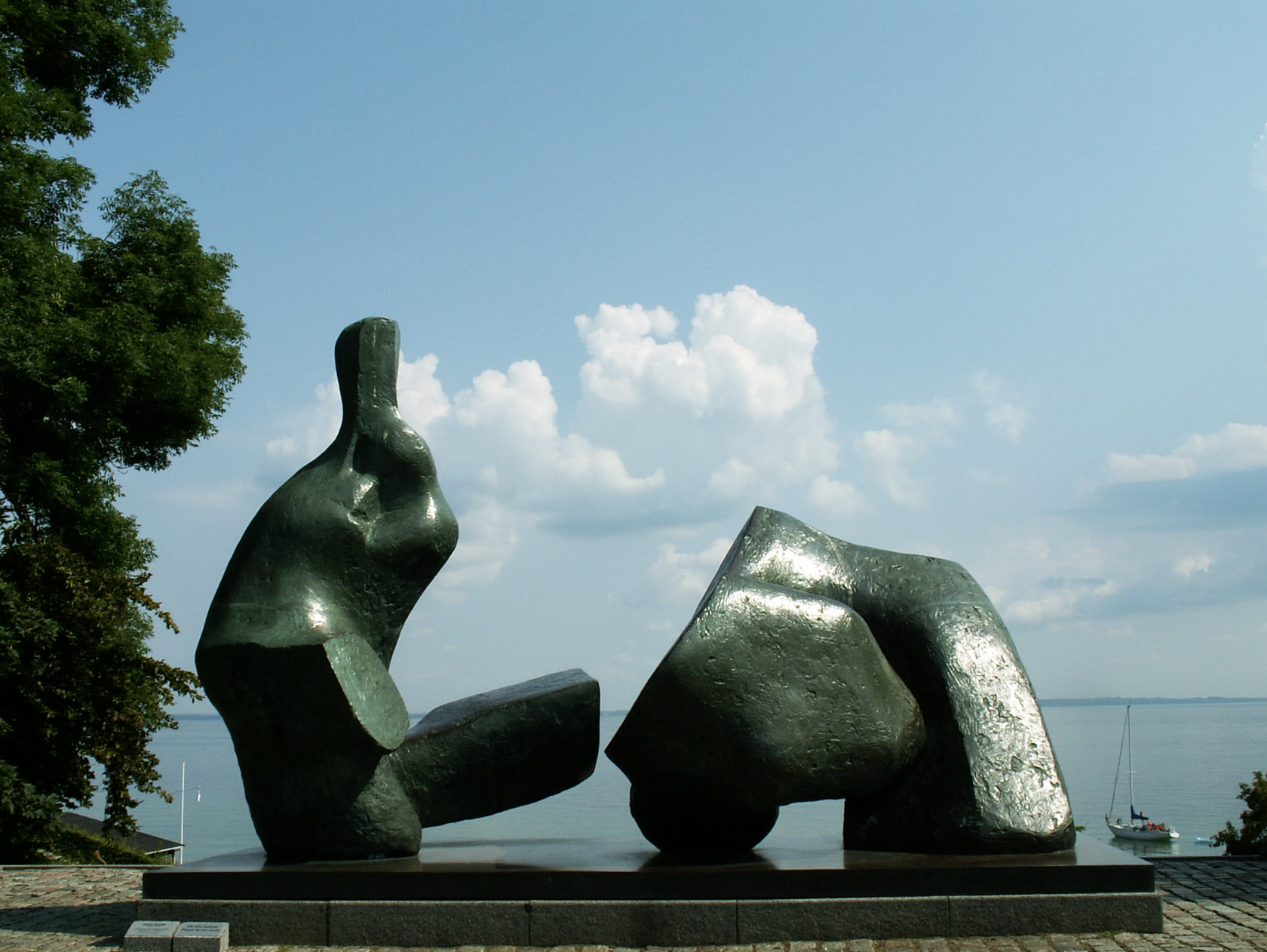
Louisiana Museum Of Modern Art just outside Copenhagen, has long inspired us — not just as a museum, but as a philosophy. Art, architecture, landscape, and food, set lightly by the water. It shows how culture can feel deeply human, calm, and lived-in. While UNU is firmly rooted in Sri Lanka, a small Scandinavian sensibility runs through it — material honesty, and a belief that nothing needs to shout to matter.
🔗 Louisiana Museum of Modern Art — Architecture, Landscape & Coastal Design in Denmark
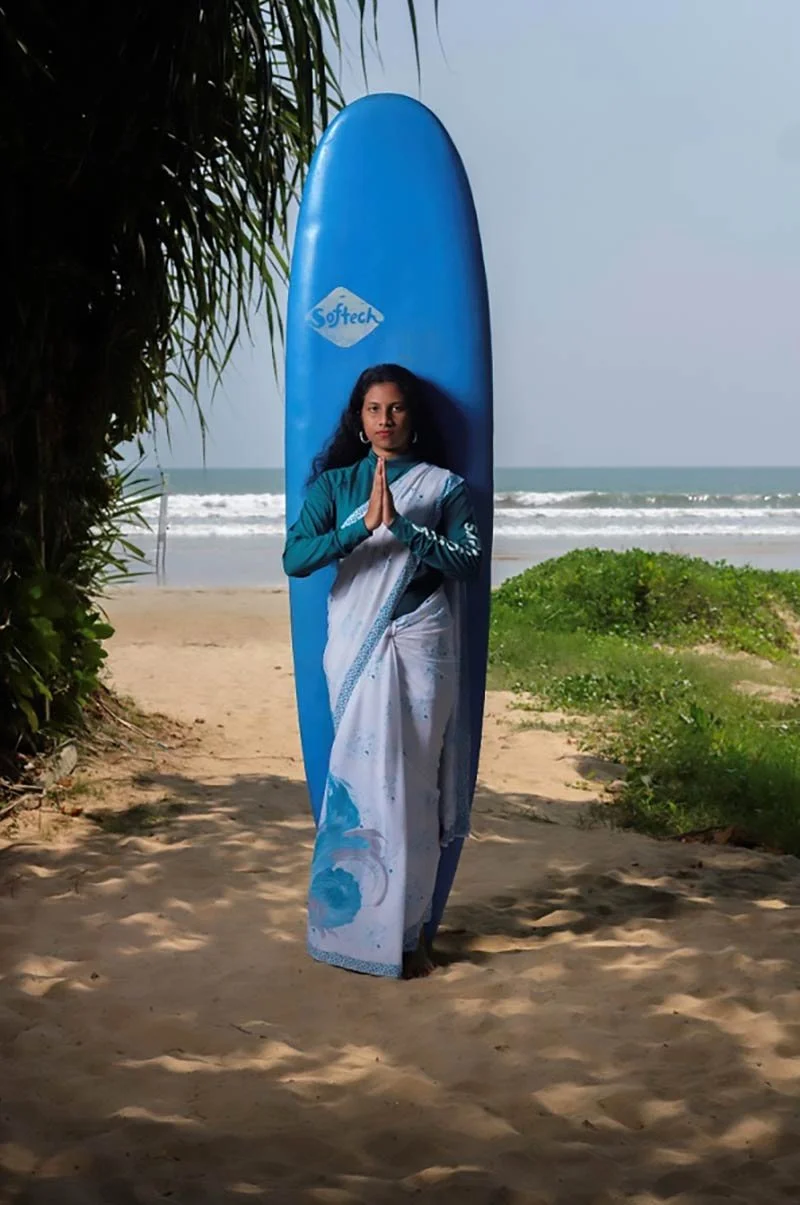
SeaSisters inspires us through inclusivity, confidence, and joy. A women-led surf community in Sri Lanka that creates space where it didn’t previously exist — breaking boundaries, welcoming newcomers, and reshaping what surf culture can look like. This is about access, courage, and the simple power of showing up together.
🔗 Sea Sisters Sri Lanka — Women-Led Surf Community & Ocean Access
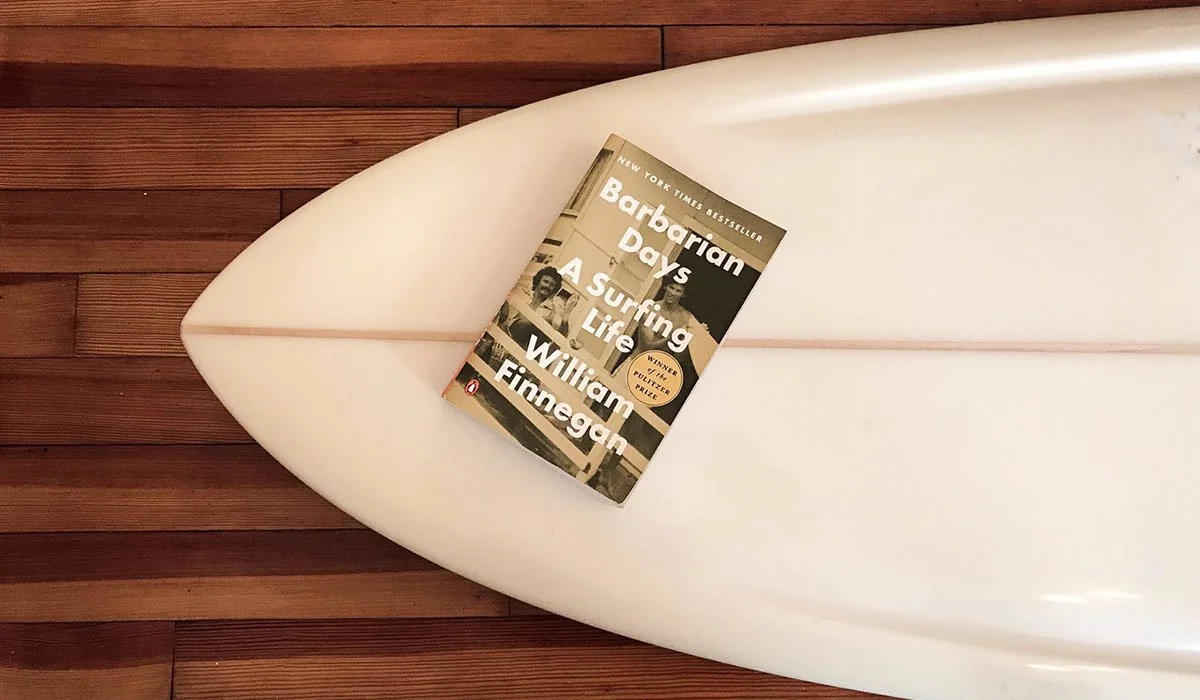
Barbarian Days. This book captures surfing as a lifelong pursuit shaped by patience, obsession, and place. It reminds us that meaning comes from time spent, not quick rewards. A perfect companion on long journeys — whether you’re chasing waves or just drifting between them.
🔗 Barbarian Days by William Finnegan — Surfing, Obsession & a Life in the Water
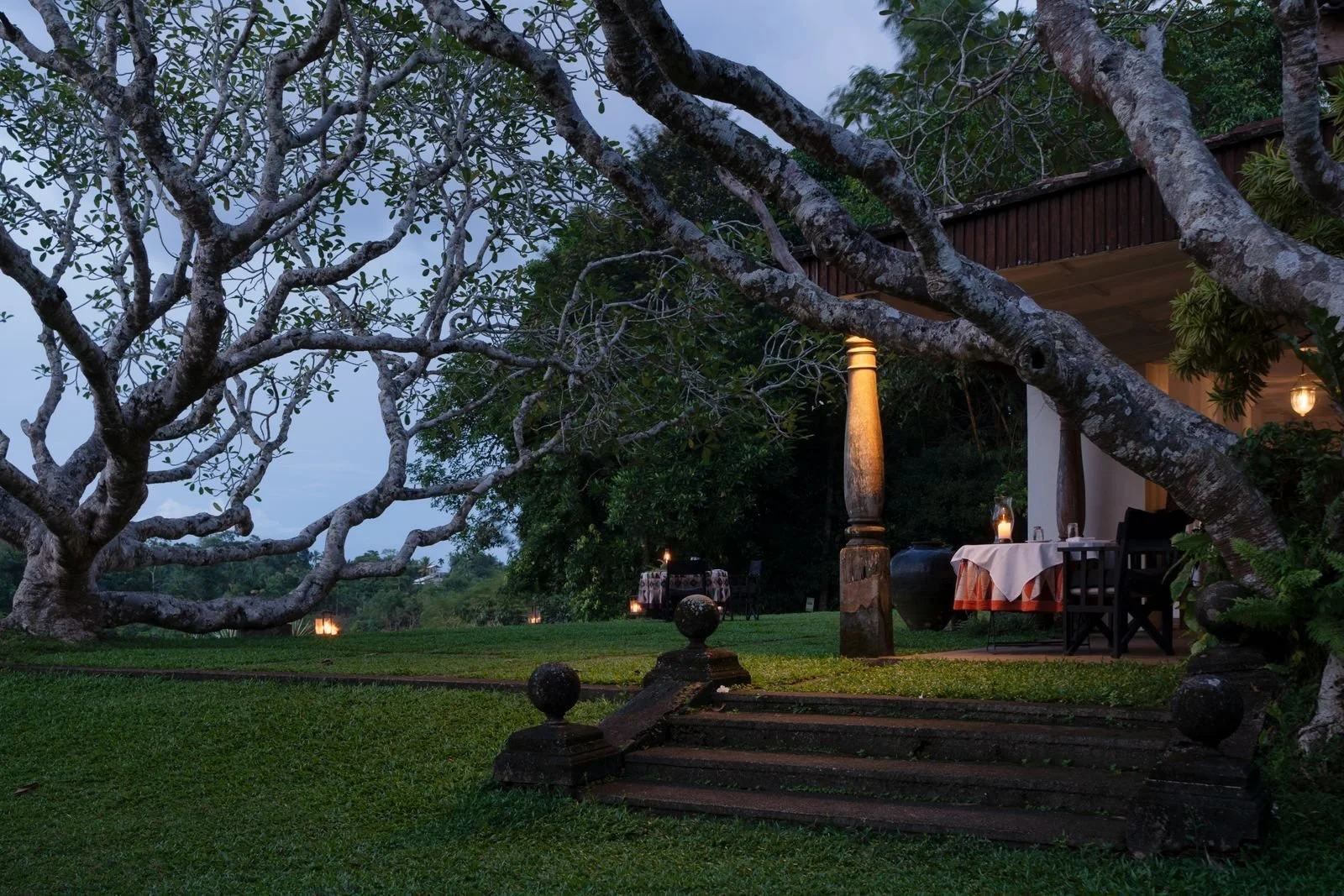
Geoffrey Bawa’s Lunuganga is a masterclass in building with landscape rather than over it. House, garden, water, and light unfold slowly, without spectacle. It’s a place that teaches patience — and shows how modernism can be deeply local, deeply personal, and inseparable from its surroundings.
🔗 Architectural Digest — Lunuganga Garden by Geoffrey Bawa, Sri Lanka